
Building New? Here’s How to Choose the Right Insulation for Long-Term Comfort

Building a new home is one of the best opportunities to get insulation right from day one.
Unlike an existing home, a new build gives you full access to the ceiling, walls, and floor system before the linings go on. That means you can create a warmer, quieter, and more energy-efficient home without the cost and disruption of retrofitting later.
For homeowners across the Bay of Plenty and Waikato, choosing the right insulation at this stage can make a noticeable difference to long-term comfort, heating costs, and overall liveability.
This guide covers what New Zealand building standards require, where smart homeowners often go beyond the standard, and how to make the right choices for long-term performance.
Why insulation matters more in a new build
Insulation is not just about meeting building codes for no reason. When done properly, it can help your home:
stay warmer in winter
stay cooler in summer
reduce heat loss
reduce condensation risk
improve acoustic comfort
lower power bills over time
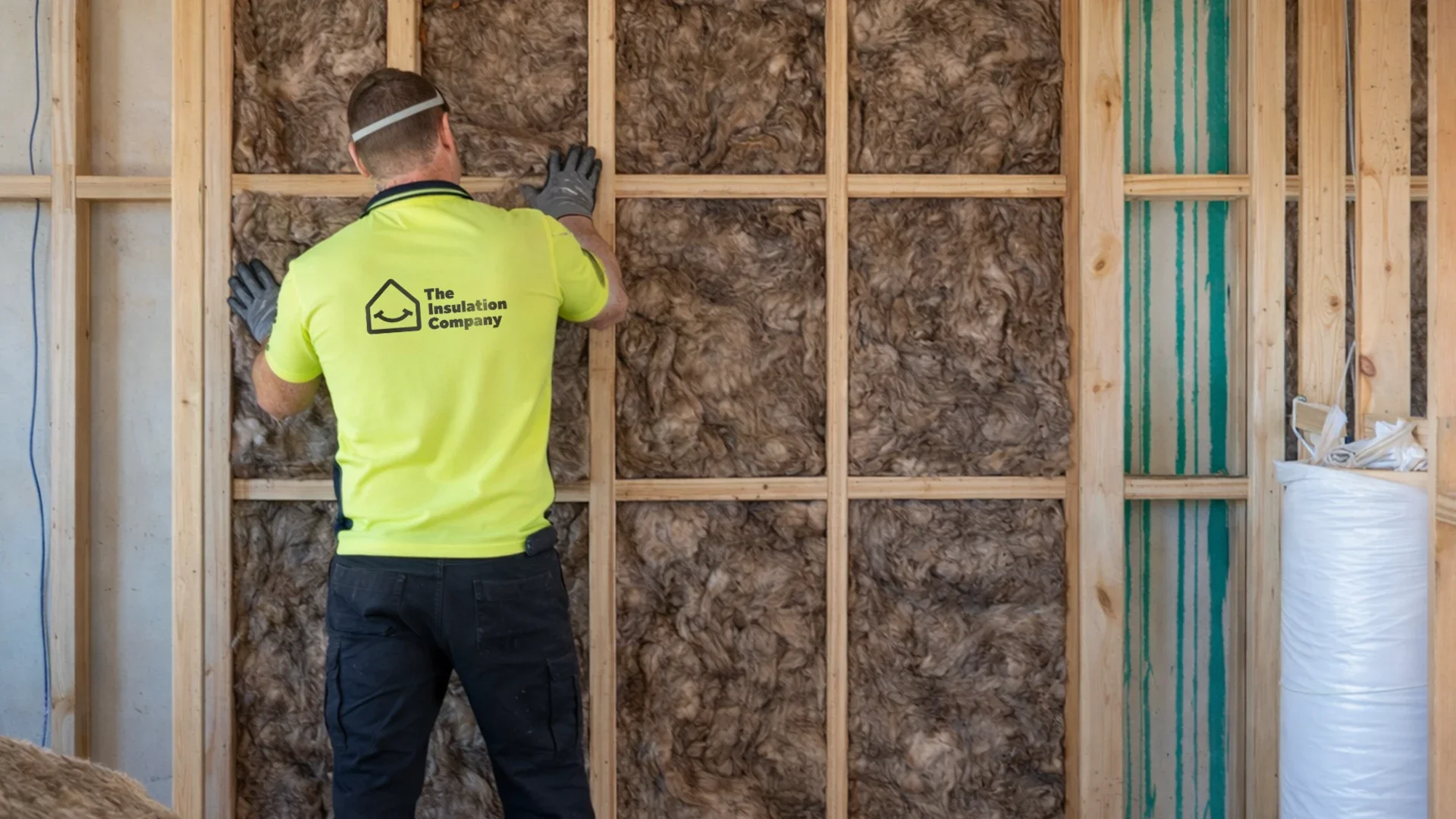
Because all wall and ceiling cavities are open during construction, this is the easiest and most cost-effective time to install a complete thermal envelope.
Once the gib is up, wall insulation becomes far more expensive to add.
That is why getting it right at this stage matters.
What does the NZ Building Code require?
The key thing to know here is that new builds in New Zealand must comply with H1 Energy Efficiency requirements.
This essentially sets minimum construction R-values for different parts of the building envelope.
For many homes in the Bay of Plenty and Waikato climate zones, common minimum targets are typically:
Ceiling / roof: R6.6
Walls: R2.0
Concrete slab floor: R1.5
Suspended timber floor: this varies depending on the build system
Keep in mind however that these values can vary depending on:
climate zone
floor type
window specifications
design method used by your designer
Your builder or designer should be working to H1 compliance from consent stage anyway. The real benefit comes from aiming to exceed the minimum requirements, delivering a more comfortable home for many years to come.

Ceiling insulation: where most comfort starts
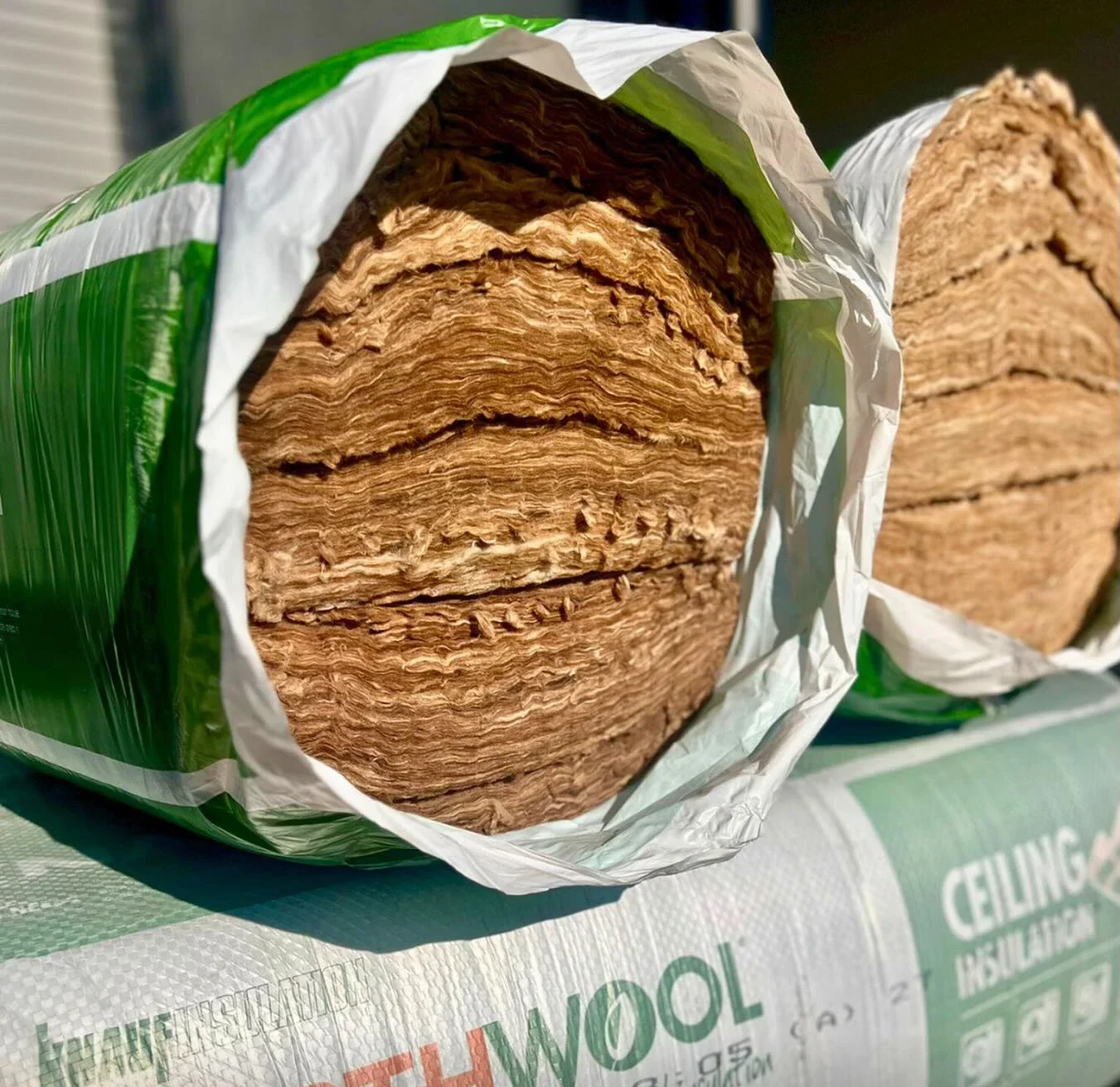
For most homes, the ceiling delivers the biggest thermal impact. Warm air rises, so poor ceiling insulation allows heat to escape quickly. This is why many new homes now use higher-performance ceiling systems.
Good ceiling insulation helps create:
more stable room temperatures
less reliance on heat pumps
better overnight warmth retention
improved year-round comfort
Even though H1 sets a minimum, many homeowners choose to go slightly above spec for future comfort.
Wall insulation: do not overlook it
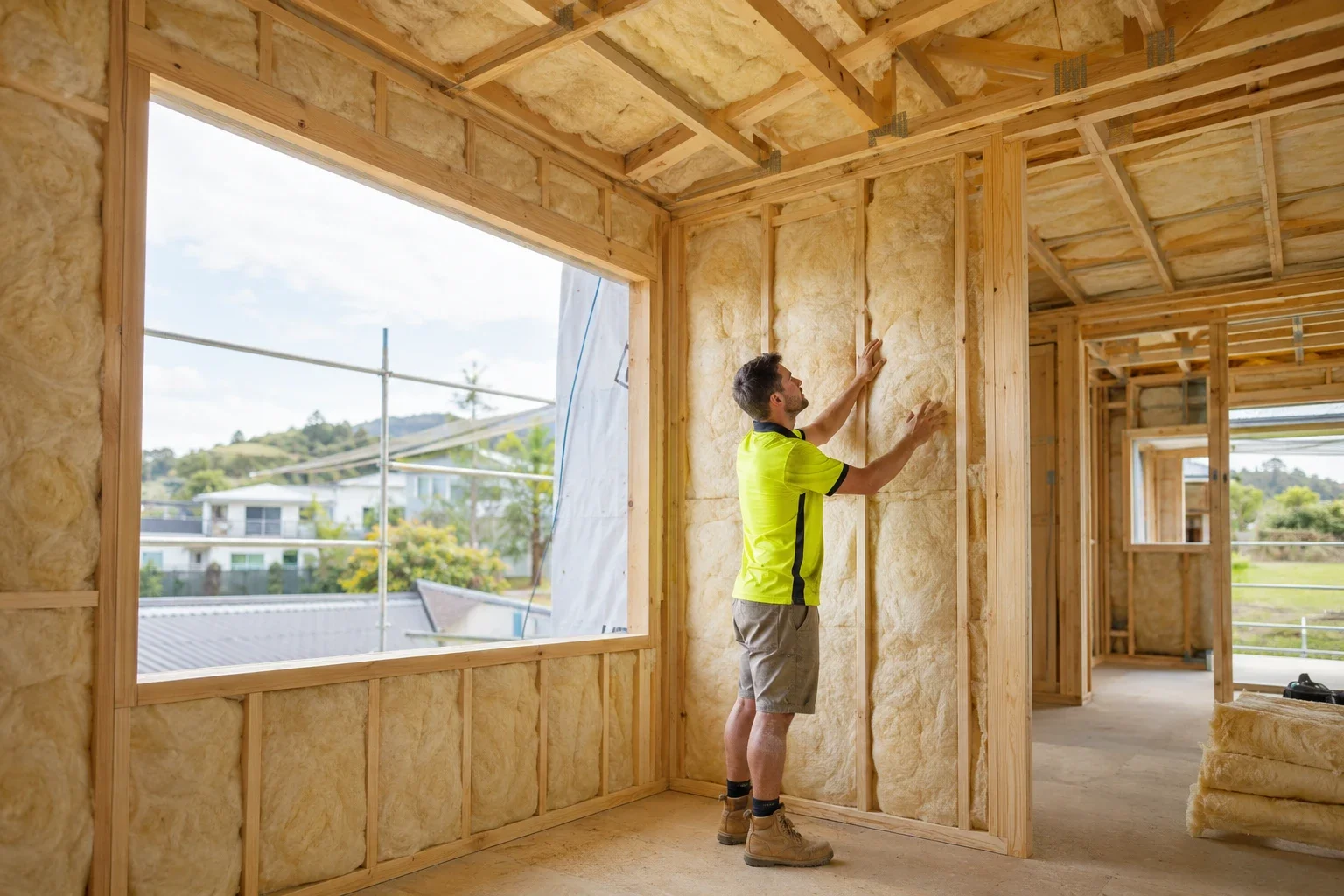
Wall insulation is where many homeowners make the smartest long-term decision. Because it must be installed before linings go on, this is the perfect stage to do it. Opting not to upgrade during the build phase will significantly impact your ability to upgrade in the future (without tearing down walls!).
Wall insulation helps with:
consistent room temperatures
less heat transfer through external walls
quieter internal living spaces
reduced outside noise
improved bedroom comfort
This is especially valuable in exposed areas across the Bay of Plenty coast and Waikato plains, where wind chill and overnight temperatures can be noticeable. If you live near a road this internal wall insulation can provide exceptional sound proofing too.
Underfloor and slab insulation
The floor system matters more than people realise as cold floors can make an otherwise warm home feel much more uncomfortable.
For slab homes, sufficient insulation is usually incorporated into slab edge and slab design.
For suspended timber floors, underfloor insulation plays a major role in keeping floors comfortable enough to walk and sit on.
This is especially important for family homes where kids can be barefoot or spend a lot of time on the floor.
Should your builder install the insulation?
This is a question many homeowners ask during the planning stage. The truth is, there’s pros and cons to both approaches.
Builder installation
Many builders can install insulation as part of the wider build programme, which can be convenient for budget and keep scheduling simple.
Pros
One less subcontractor to coordinate
Integrated into the build timeline
Can be bundled into overall build cost
Cons
Insulation is often one of many tasks rather than a specialist focus
Product selection may be based on availability and best margin for the builder, rather than best performance or suitability
Less attention may be given to acoustic benefits, moisture considerations, and long-term comfort outcomes
Installation quality can vary depending on who is assigned the task
The Insulation Company installation
We’re a specialist insulation installer, meaning we bring focused product knowledge and installation expertise to the task
Pros
Installed by a team that works with insulation every day
Better understanding of thermal performance and acoustic outcomes
Advice on going beyond minimum code requirements
Greater attention to coverage, fit, and detail
Better long-term comfort outcomes
In most cases, having a specialist handle the insulation means fewer compromises and a better result once the home is complete. You can be confident knowing you’ve got some of the best insulation protecting your home.
For something that is hidden behind the walls for decades, and challenging to update later, it’s worth getting it right!
Pro Tip: think beyond the minimum standard
Think of insulation for future comfort, not just compliance.
Meeting code is essential, but it should be viewed as the starting point or minimum standard. There really is ample opportunity to improve the comfort level of your home if you choose to insulate better during this phase.
A small upgrade in insulation performance during the build phase can deliver:
better comfort for decades
lower heating costs
stronger resale appeal
fewer condensation issues
The cost difference during construction is usually far lower than upgrading later, and the savings through efficiency over the years makes the extra upfront cost well worth it.
This is one of the best-value decisions you can make in a new build.
Common questions homeowners should ask their builder
Before insulation is installed, get answers to:
What R-values are specified for each building element?
Are we only meeting code, or exceeding it?
What insulation product is being used?
What acoustic performance does wall insulation provide?
How are slab edges being insulated?
Are there any thermal bridge risks?
Final thoughts
A new build is your best chance to create a warm, dry, comfortable home from the outset.
For homeowners across Tauranga, Rotorua, Hamilton, the Bay of Plenty, and Waikato, choosing the right insulation now can improve comfort for years to come.
If you are planning a build and want advice on ceiling, wall, or underfloor insulation, our team can help you choose the right solution for long-term performance.
Talk to The Insulation Company about insulation options for your new build.