
Ceiling vs Underfloor Insulation: Which Makes the Biggest Difference?
When improving comfort in a New Zealand home, ceiling and underfloor insulation are usually the first upgrades considered. Both play an important role, but they solve different problems. Understanding how each works helps homeowners prioritise the right solution for their property.

Proper insulation makes a huge difference to the comfort of your home.
How Heat Is Lost in NZ Homes
Most heat loss in residential homes happens through three areas:
The ceiling and roof space
The floor and subfloor area
External walls and gaps
In many older NZ homes, insulation is missing, uneven, or no longer performing as intended. This leads to cold rooms, high power bills, and difficulty maintaining consistent indoor temperatures.
Ceiling Insulation Explained
Ceiling insulation reduces heat escaping through the roof. Warm air naturally rises, so an under-insulated ceiling allows heat to leave the home quickly during colder months.
Benefits of Ceiling Insulation
Reduces heat loss through the roof
Improves warmth retention in winter
Helps keep homes cooler in summer
Often delivers the fastest comfort improvement
Usually the most cost-effective first upgrade
Ceiling insulation is commonly recommended as the starting point, particularly in homes with little or degraded insulation already in place.
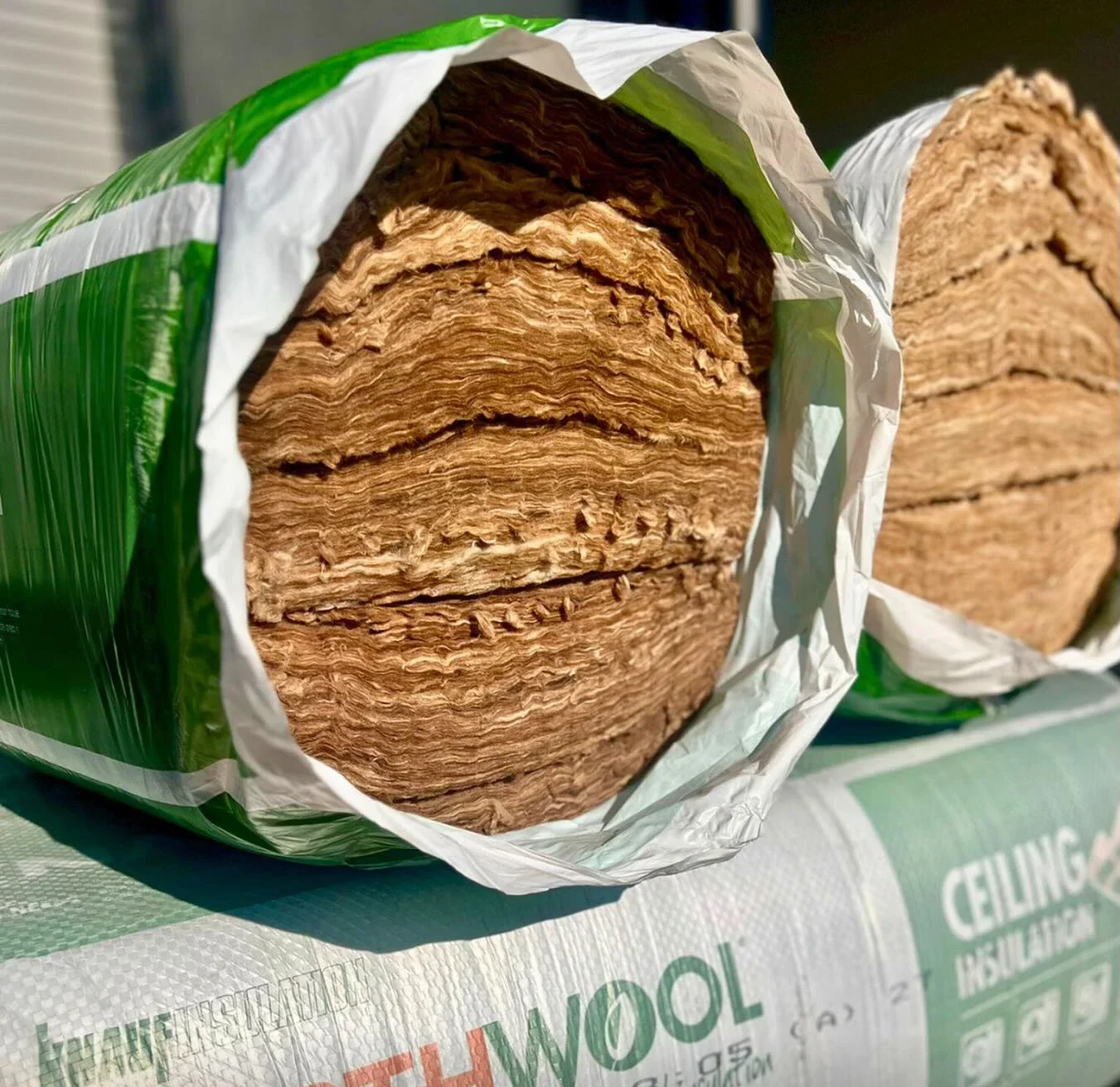
Ceiling insulation reduces heat from escaping through the roof space of your home. Products such as Earthwool provide a recycled and highly effective insulation solution.
Underfloor Insulation Explained
Underfloor insulation prevents cold air from rising into living spaces through the floor. Homes with timber floors often feel cold underfoot, even when heating is running.
Benefits of Underfloor Insulation
Reduces cold floors and draughts
Improves overall warmth and comfort
Helps control moisture from beneath the house
Makes heating systems more effective
Improves comfort in bedrooms and living areas
Underfloor insulation is especially valuable in homes with suspended timber floors or exposed subfloor areas.
Ceiling vs Underfloor: Side-by-Side Comparison
Ceiling insulation
Biggest impact on heat retention
Often lower cost
Faster installation
Ideal first step in many homes
Underfloor insulation
Improves comfort at ground level
Reduces cold air movement
Addresses dampness and moisture issues
Often best paired with ceiling insulation
In most cases, the best results come from installing both. Ceiling insulation keeps warmth inside, while underfloor insulation stops cold air entering from below.
Which Should You Install First?
The right starting point depends on your home’s construction and existing insulation.
Ceiling insulation is often prioritised if:
Little or no insulation is present in the roof
Heating costs are high
Heat loss is noticeable during winter
Underfloor insulation is often prioritised if:
Floors feel cold underfoot
There is visible airflow or draughts
Moisture is present in the subfloor
The home has exposed timber flooring
A professional assessment helps determine which upgrade will deliver the greatest benefit.
What Homeowners Should Watch Out For
Existing insulation may no longer meet current performance expectations
Insulation must be installed correctly to work effectively
Gaps, compression, or moisture damage reduce performance
Some homes benefit from insulation combined with moisture control solutions
Installing insulation without an assessment can lead to missed opportunities or unnecessary expense.
Getting the Best Result for Your Home
Every home is different. Factors like age, floor type, roof access, and climate all affect insulation performance. A targeted approach ensures insulation is installed where it makes the biggest difference.
Ready to Improve Your Home’s Comfort?
If you are unsure whether ceiling insulation, underfloor insulation, or both are right for your home, a professional assessment can provide clarity.
Talk to our team about a home insulation assessment and practical upgrade options.