
Healthy Homes Insulation Checklist for Landlords
If you own a rental property in New Zealand, insulation is no longer optional. The Healthy Homes Standards set minimum requirements that every rental must meet, and insulation plays a major role in warmth, moisture control, and tenant wellbeing.
This checklist breaks down what installers and assessors actually look for during a Healthy Homes inspection, so you can understand where your property stands and what steps may be needed next.
First, What the Healthy Homes Insulation Standard Requires
The Healthy Homes Standards require ceiling and underfloor insulation in most rental homes where it is reasonably practicable to install. Requirements are based on R-values, which measure how well insulation resists heat flow.
Minimum R-values depend on climate zone:
Zone 1 and Zone 2 (most North Island coastal areas):
Ceiling: R2.9
Underfloor: R1.3
Zone 3 (central North Island and South Island):
Ceiling: R3.3
Underfloor: R1.3
Existing insulation must also be in reasonable condition, with no mould, dampness, gaps, or significant damage.
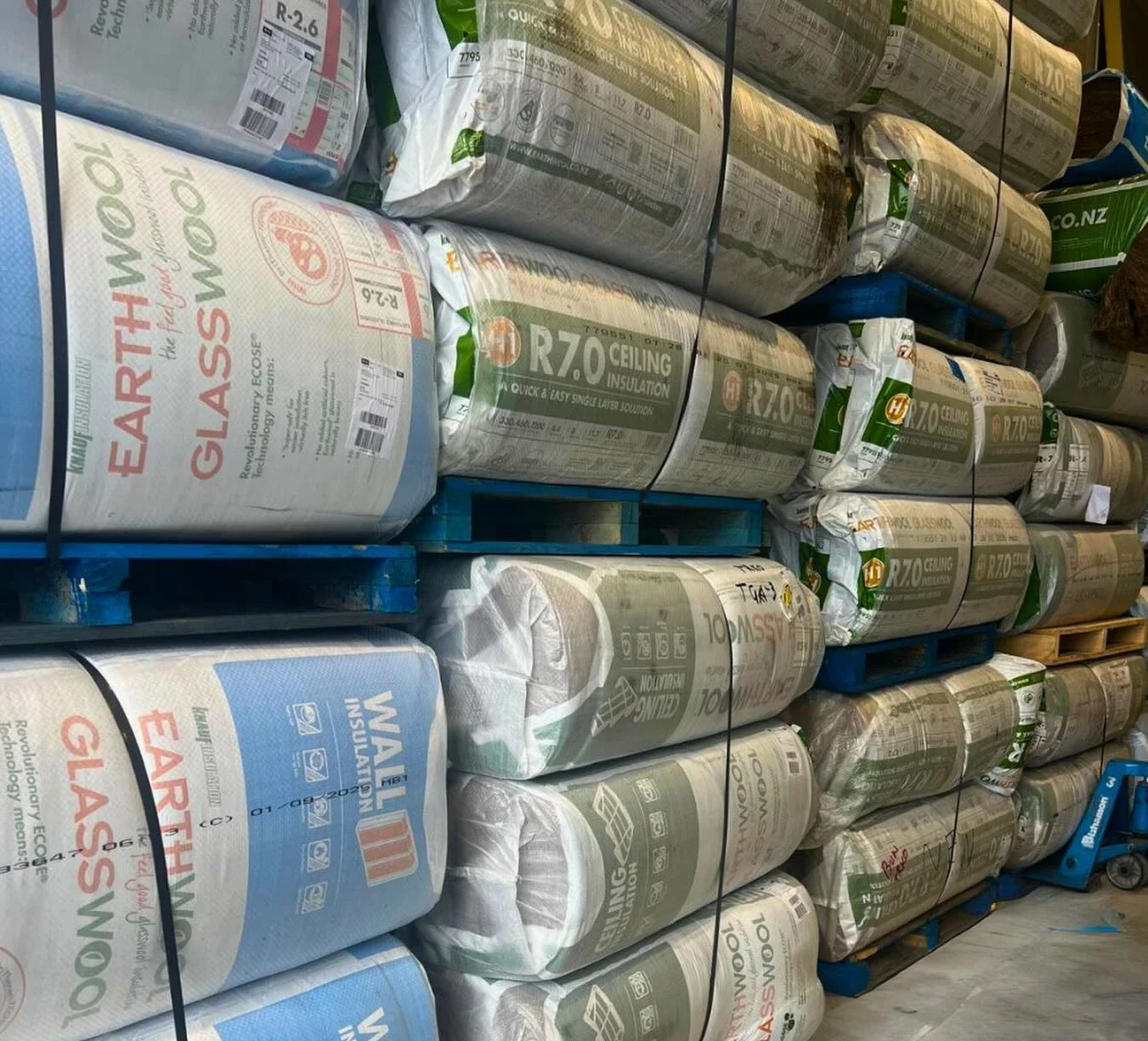
Insulation comes in many different R ratings and materials for different applications. It’s important to choose the right insulation for the region and intended installation.
Healthy Homes Insulation Checklist
Below is a simplified version of what insulation installers typically assess.
Ceiling Insulation
Is insulation installed across the majority of the ceiling space?
Does it meet minimum R-value requirements for your climate zone?
Is existing insulation at least 120mm thick if installed before July 2016?
Are there gaps, compression, or areas where insulation has shifted?
Is the insulation dry and free from mould or deterioration?
Ceiling insulation that is degraded or too thin may need topping up or replacement to meet compliance.
Underfloor Insulation
Does the home have a suspended timber floor?
Is insulation present beneath living spaces?
Does it meet the minimum R1.3 requirement?
Is the material intact and securely installed?
Foil insulation cannot be retrofitted or repaired, and damaged foil often needs replacing with modern insulation products.
Installation Quality
Even if insulation exists, it must be installed correctly.
We check for:
Missing sections or exposed areas
Poorly fitted insulation around services
Safety risks or non-compliant installation methods
To pass your inspection, your insulation must be installed according to NZS 4246:2016 standards. When The Insulation Company installs or inspects your insulation, this is the standard we adhere to.
Accessibility and Exemptions
Some parts of a property may be exempt if insulation cannot reasonably be installed, such as:
Inaccessible roof or subfloor spaces
Concrete slab floors
Areas where installation would cause structural damage
These exemptions must be genuine and supported by evidence or documentation.
What This Means for Landlords
Healthy Homes compliance is about meeting minimum standards, not acheiving maximum performance. Many properties technically pass but can still massively benefit from upgrades that improve comfort and tenant happiness.
Once your compliance is sorted, as a landlord you are also required to:
Include a Healthy Homes compliance statement in tenancy agreements
Ensure properties meet standards within required timeframes
Maintain insulation in good condition over time
If insulation is missing, damaged, or below the required level, upgrades may be needed before or during a tenancy.
Common Issues New Landlords Should Watch For
Many rental properties fall short for simple reasons:
Existing insulation looks appropriate, but has degraded over time
Older ceiling insulation has compressed below acceptable thickness
Underfloor insulation was never installed
Moisture problems have reduced insulation performance
Previous compliance reports are outdated
A visual check from inside the house is rarely enough to confirm compliance.
Do You Definitely Need New Insulation?
The short answer is not always.
Some homes already meet the Healthy Homes insulation standard, especially if they were renovated or built to newer building code requirements. Others may only need small upgrades or adjustments.
The most reliable way to know is through a professional assessment that looks at R-values, installation quality, and overall condition.
Start With an Assessment
If you are unsure where your rental property sits, the best starting point is a Healthy Homes insulation assessment. It gives you a clear understanding of what is required, what is optional, and what can be planned for future upgrades.
If your property falls short of any of these requirements, insulation upgrades may be needed. Talk to The Insulation Company about an assessment and practical next steps toward compliance.